Formula One has become increasingly popular since its creation in 1950. Formula One (F1) is a motorsport in which 10 teams work to develop a car within certain guidelines. These teams then travel all over the world and race two cars (20 drivers) in order to compete for the Drivers’ and Constructors’ Championships.
The first official season of F1 had seven races, six of which were held in Europe. The odd one out was the Indianapolis Motor Speedway in the United States. Europe is the hub for the sport, hosting eight out of 24 races in the ongoing season. While Europe is the hub, there has been a huge growth in the interest in F1 in the U.S. over the past couple of years, and, therefore, the desire for more opportunities to watch the sport arose. This growth of interest is likely due to three factors: the introduction of three races held here during the current season, a Netflix series called “Drive to Survive,” and, most recently, “F1 the Movie.”
F1 has made an effort in recent years to include more U.S. tracks in the yearly calendar for numerous reasons. The U.S. hosts three races in the current season: Austin, Miami and Las Vegas. Austin was introduced to the sport in 2012, Miami in 2022 and Las Vegas in 2023. All of these recent investments have proved valuable and profitable for F1 as a whole. According to an article by ESPN, the Las Vegas grand prix (GP) generated $934 million in revenue during the 2024 race alone and also attracted 56.1 million viewers worldwide over television. These clear shifts in American interest demand the attention of F1 leaders, such as Liberty Media and the FIA.
“The United States is one of our most important markets. In that way, it’s important for us to do well on track and advertise our road car products,” team principal and CEO of the Mercedes- AMG Petronas Formula One team Toto Wolff said.
Fans do not only watch these races on television; it is just as popular for them to attend in person. In a study by Statistica over the 2024 race attendance, they found that the most attended U.S. race was Austin with 430,000 fans present. The runner up was Las Vegas with 306,000 spectators and, finally, Miami with 275,000. Austin had the third highest attendance out of all races, following the British and Australian GPs.
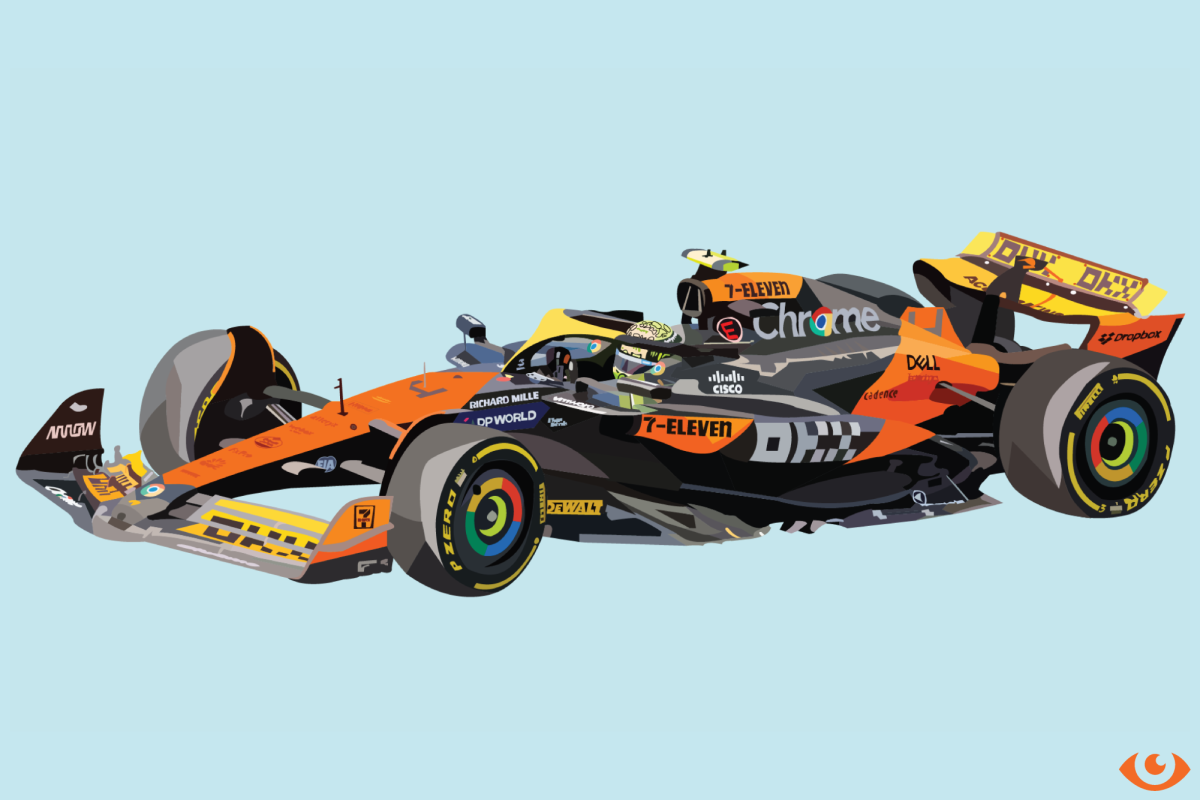
F1 is considered one of, if not the most, expensive sports in the world. On average, it takes about $20 million to build a car, and millions of dollars more to travel around and race for each team. This opens the door for large sponsorships. These sponsors are displayed in various places, such as team merchandise, race suits and even the car itself. The top two most influential U.S. based sponsorships are Oracle and Hewlett-Packard (HP). Oracle has had a longstanding relationship with the Red Bull team and has been dominant in the overall brand. In fact, the official name of the team is Oracle Red Bull Racing. HP is a major sponsor for Ferrari and reportedly has made a $100 million deal annually with the team. It also claimed a place in the team’s name: Scuderia Ferrari HP.
Another major factor in the increased interest, and overall awareness of F1, is “Drive to Survive.” “Drive to Survive” (DTS) is a Netflix series that shows multiple different perspectives of the sport. It follows many storylines every season, focusing on a few teams and drivers per episode. The series first aired on March 8, 2019, and has released a new season every year since. As of 2023, over 6.8 million Americans have watched DTS and half of all U.S. fans reported being drawn to the sport by the show. In 2022, 74% of United States viewers under the age of 45 who became F1 fans reported that the series played a large role in their interest.
“I think it’s been amazing to see the growth and interest in the U.S. I love that we’ve tapped into the sporting community here. I remember the first time we came to Austin, it was like, ‘What is F1?’ The journey we’ve been on with “Netflix” and “F1 the Movie” has been amazing. It’s also bringing people of all ages to the race,” seven-time World Drivers’ Champion Lewis Hamilton said.
Fans of any sport typically feel a bias towards one team or player, and F1 is no different. McLaren is the most popular team, with a 28% preference of fans. It is important to note that there is one team that is based out of the U.S.: Haas. This team has been running at the back of the field since its introduction into the sport in 2016, so the fan base is small, but their fans are typically very passionate. Next year, Cadillac is going to be joining the grid and will be based out of Indiana.
The most popular driver varies greatly based on where in the world you are. This is because people typically want to support a driver with their same nationality. Most drivers have a “home race,” which is a race in their home country, so the support of their fans is especially strong during those weekends. The U.S. does not currently have any representation in the drivers, but there have been some in the past. Logan Sargeant was from Florida but unfortunately lost his seat midway through the 2024 season. The most popular F1 drivers in the United States currently are Max Verstappen with 14.4% of the votes, Lando Norris with 13.7% and Lewis Hamilton with 12.5%. These drivers are most likely more popular due to their previous career success and media presence.
“F1 the Movie” has also played a very recent role in the growing interest. The movie was released on June 27, 2025, and had 7 million viewers, with a box office gross of over $631 million dollars. It starred Brad Pitt, who played the role of Sonny Hayes, a retired F1 driver, who made a comeback in the sport in order to save a struggling team, APXGP. While the movie was a clear Hollywood storyline with overexaggerated elements, the positive feedback and new fans of the sport made it worthwhile to both the producers and F1 leaders.
F1 has had a growth in popularity in recent years, especially in the United States, which has led to significant increases in economic investment. The increased investment has opened the door for different teams, sponsors and tracks, making the sport more visible and inclusive for people all over the world, adding to the global fanbase of approximately 827 million people.