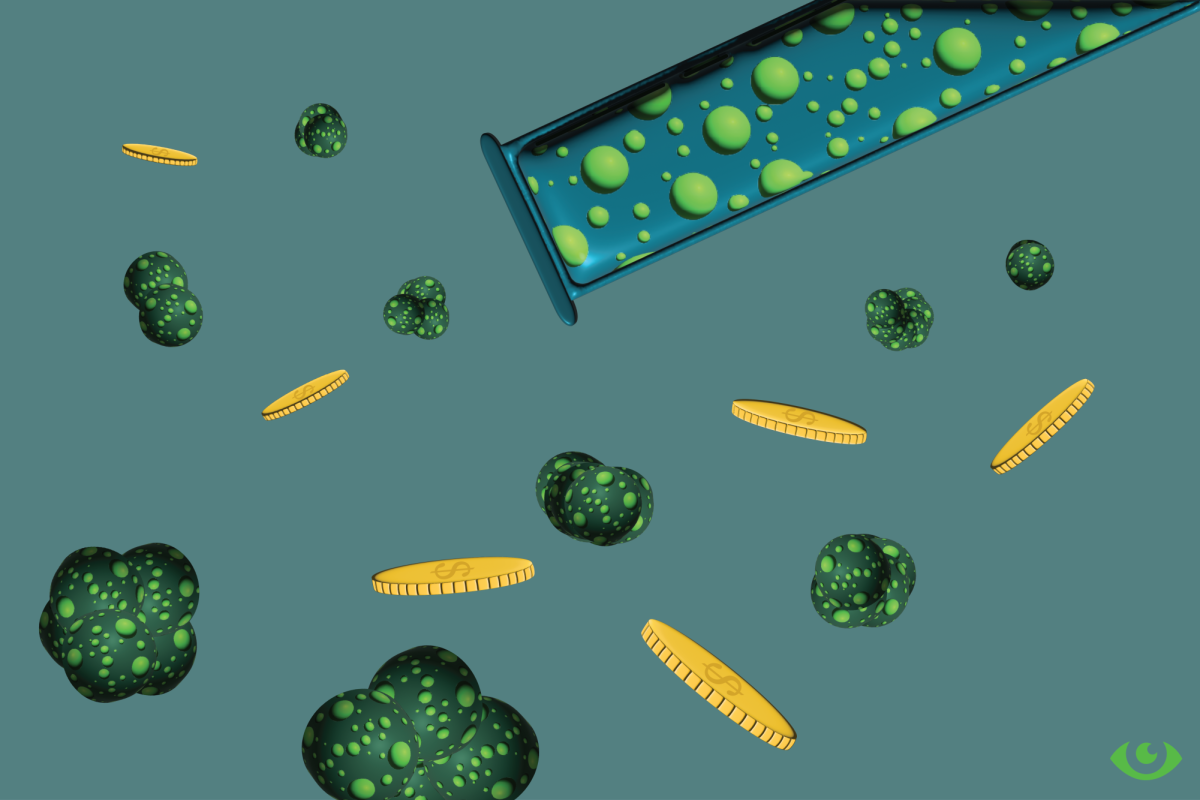
The Donald Trump administration has tried to break apart cancer funding and research for cures. In February 2025, they announced the action to cut $4 billion in funding for medical research at hospitals, colleges and other institutions. The National Institutes of Health (NIH), one of those organizations, said that they use some of those budgets to buy equipment and pay staff members. Both of these factors are critical in making the research possible, especially for cancer treatments.
Soon after the administration made the plan, a U.S. district judge in Boston, Mass., temporarily blocked the nationwide cuts from NIH, as did another district judge in June, ruling that the action was “void” and “illegal.” But the Supreme Court, more recently, upheld Trump’s decision, telling the government that they can refuse to restore the funding in medical research.
Many states, including Kentucky, started to play a bigger role in restoring funds and developing ways to allow everybody, including children and families, more access to new cancer therapeutics.
NIH, being the No. 1 funder for health research in the U.S., has helped numerous Kentucky health centers and universities with billions of dollars. While NIH is still trying to restore their lost funding, the UofL Clinical and Translational Research Center (LCTRC) received a $24 million grant, over $11 million coming from NIH. This is to develop new immunotherapies that fight against cancer.
Along with that, UofL Norton Children’s secured $2.5 million from the Kentucky Pediatric Cancer Research Trust Fund (PCRTF), an organization that facilitates pediatric cancer research across Kentucky, which has annual grants that add up to about $5 million a year. Norton Children’s are planning to use their funds to hire three researchers starting in 2026. They are dedicated to the latest therapies and trials, like pediatric cancer treatments.
Norton Children’s had also received funds from the PCRTF earlier in the year, which helped establish support systems for patients and families. Most of the funds that UofL has received will quickly bring all the new therapies being developed to Kentucky children and patients, ensuring they have access to treatments.
Some of these previous research grants include the funding for therapies like the CAR T-cell, one of both UofL’s and Norton Children’s biggest findings. The therapy involves teaching the body’s immune system to find and kill the cancerous cells. The elimination of these cells, mostly known as B-cells, can help the body control the growth of cancer cells. There are also more programs being funded that help to gather better understandings of how chemotherapy drugs induce certain side effects, like heart problems, and try to make adjustments to prevent them.
Organizations including the Brown Cancer Center (located in Louisville), the NIH, the PCRTF and other local health care centers like Norton Children’s are all dedicated to offering the best new treatments and therapies, achievable with their academic research and helpful grants.
“These grants highlight the advantage of academic health care. We are able to leverage life-changing research from the University of Louisville and elsewhere and put it to work to save and improve the lives of our patients,” said Jason Smith, chief executive officer of UofL Health.
When the Trump administration pushed a plan to cut funding for organizations like this, they were at the risk of not being able to continue their work.
Although a district judge said the cuts were “void” and “illegal,” the Trump administration went through with them. Moving forward, these organizations will continue to raise money and fund cancer research programs. The CCII facility in UofL plans to add a tumor organoid fragment culture platform, and the new LCTRC funding will double UofL’s clinical trials staff.