On June 12, 1967, the United States Supreme Court issued a unanimous decision that changed the course of American history. In Loving v. Virginia, the Court struck down laws banning interracial marriage, declaring them unconstitutional under the Fourteenth Amendment.
This ruling not only protected the Lovings’ right to be married but also strengthened the meaning of equality and freedom in the United States. Today, June 12, is celebrated as Loving Day, honoring the couple whose case reshaped civil rights law.
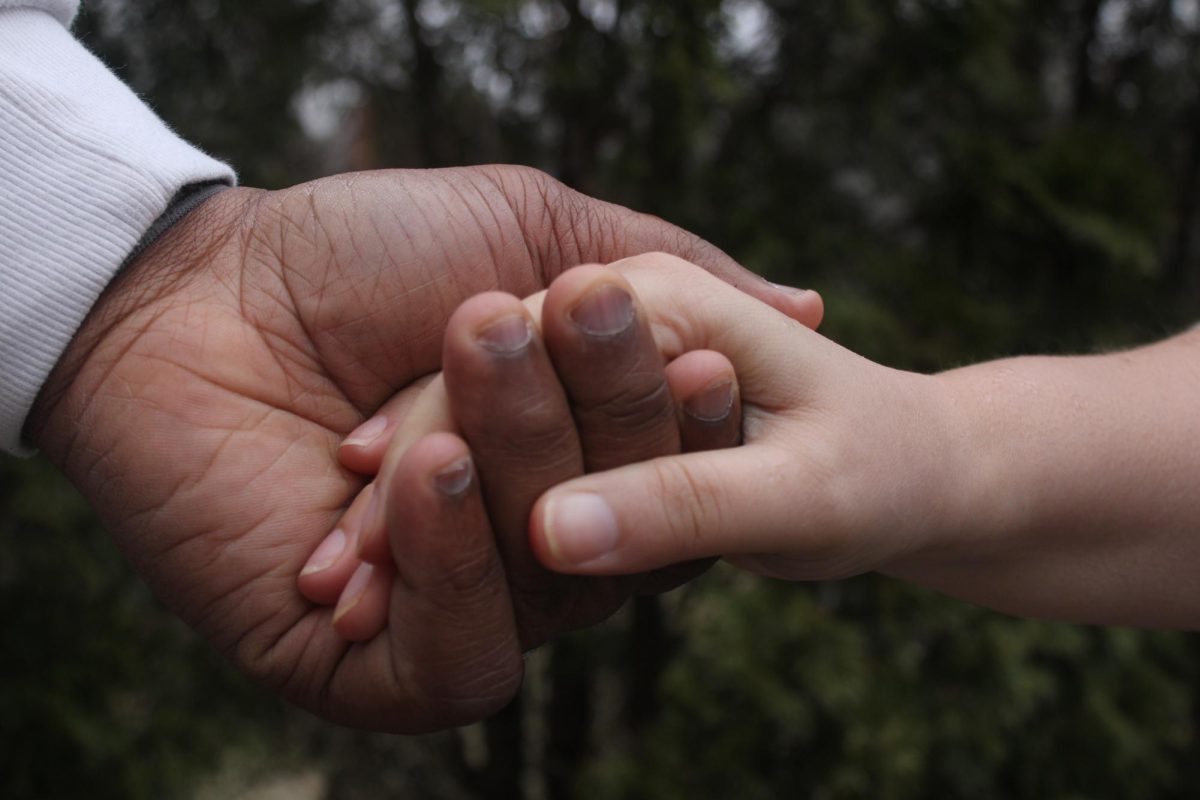
In 1958, Mildred Jeter, a Black woman and Richard Loving, a white man, were married in Washington, D.C., where interracial marriage was legal. When they returned home to Virginia, they were arrested for violating the state’s anti-miscegenation law, which banned marriage between people of different races.
The Lovings were found guilty and sentenced to one year in jail. The judge suspended the sentence on the condition that they leave Virginia and not return together for 25 years. Refusing to accept this, the Lovings challenged the law. After multiple appeals, their case eventually reached the Supreme Court.
The question asked was whether Virginia’s law violated the Equal Protection Clause of the Fourteenth Amendment. The Equal Protection Clause states that states cannot refuse to provide individuals under their authority with equal treatment under the law. This means states must treat people equally and cannot discriminate without a strong and lawful reason.
The case also involves the Due Process Clause, which protects fundamental rights and personal liberties from government interference.
In a unanimous ruling, the Court declared Virginia’s law unconstitutional. Chief Justice Earl Warren wrote that racial classifications are offensive in a society that values freedom and must be reviewed with the highest level of judicial examination.
Virginia argued that its law treated both Black and white individuals equally because both were punished for interracial marriage. The Court rejected this argument and held that the law violated the Equal Protection Clause because it was based solely on racial discrimination.
The ruling invalidated interracial marriage bans in 16 states, weakening the legal foundation of racial segregation across the country. The Court confirmed that marriage is a fundamental right for all people, regardless of race, establishing that individuals have the freedom to marry a person of another race without government interference. Beyond the courtroom, the decision helped shift public attitudes about race and relationships. Interracial marriage became increasingly accepted, reflecting broader social change.
Although decided nearly six decades ago, Loving v. Virginia continues to influence legal and social debates. The case helped lay the groundwork for later decisions protecting marriage equality and other personal freedoms. Courts have relied on its reasoning when examining whether laws unfairly limit fundamental rights.
Loving v. Virginia was more than a case about marriage. It was a landmark affirmation of equality and personal freedom. By striking down Virginia’s anti-miscegenation law, the Supreme Court reinforced the promise that the Constitution protects all individuals equally.
Today, Loving Day celebrates not only Mildred and Richard Loving’s courage but also the enduring principle that equality under the law is essential to democracy. Their case reminds us that progress often begins with ordinary people who are willing to stand up for their rights and that the fight for equal protection continues in every generation.