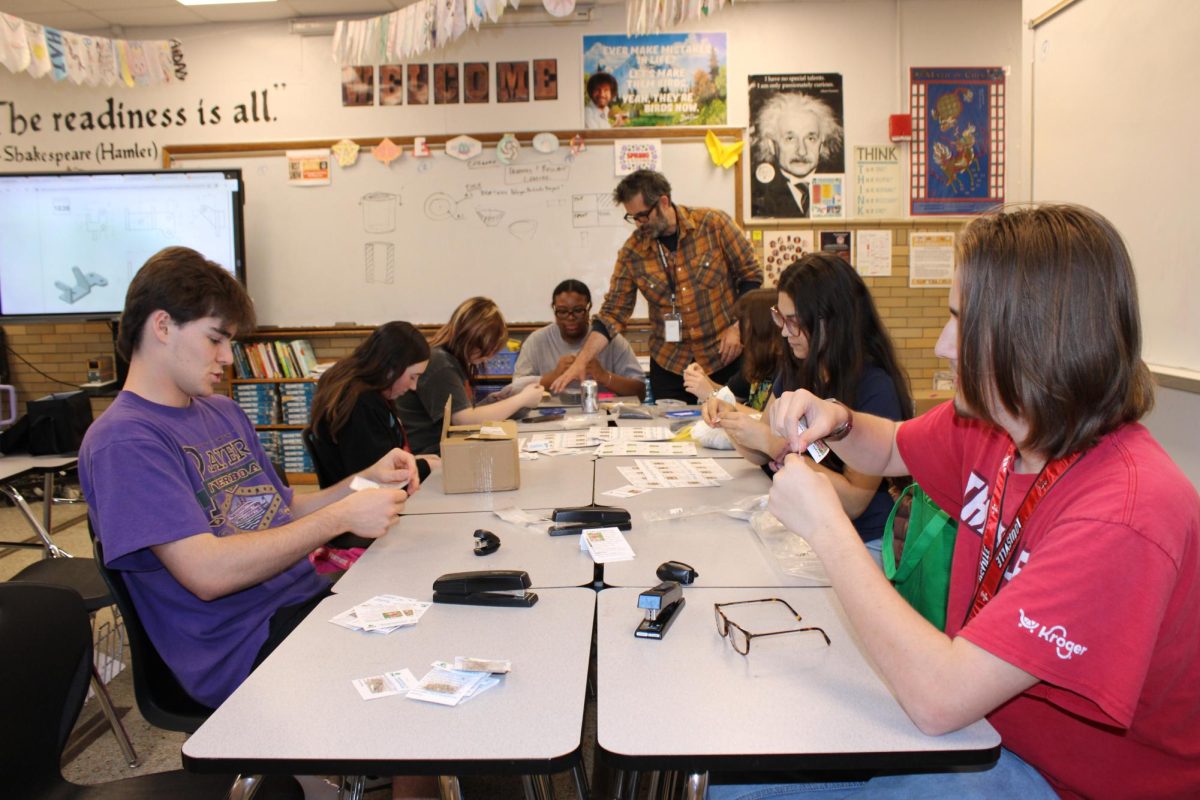
For Earth Day, Manual’s Environmental Club made a banner to help celebrate the national holiday and spread ecological awareness. They also made slides that will be displayed on the TVs in the hallways throughout Earth Week.
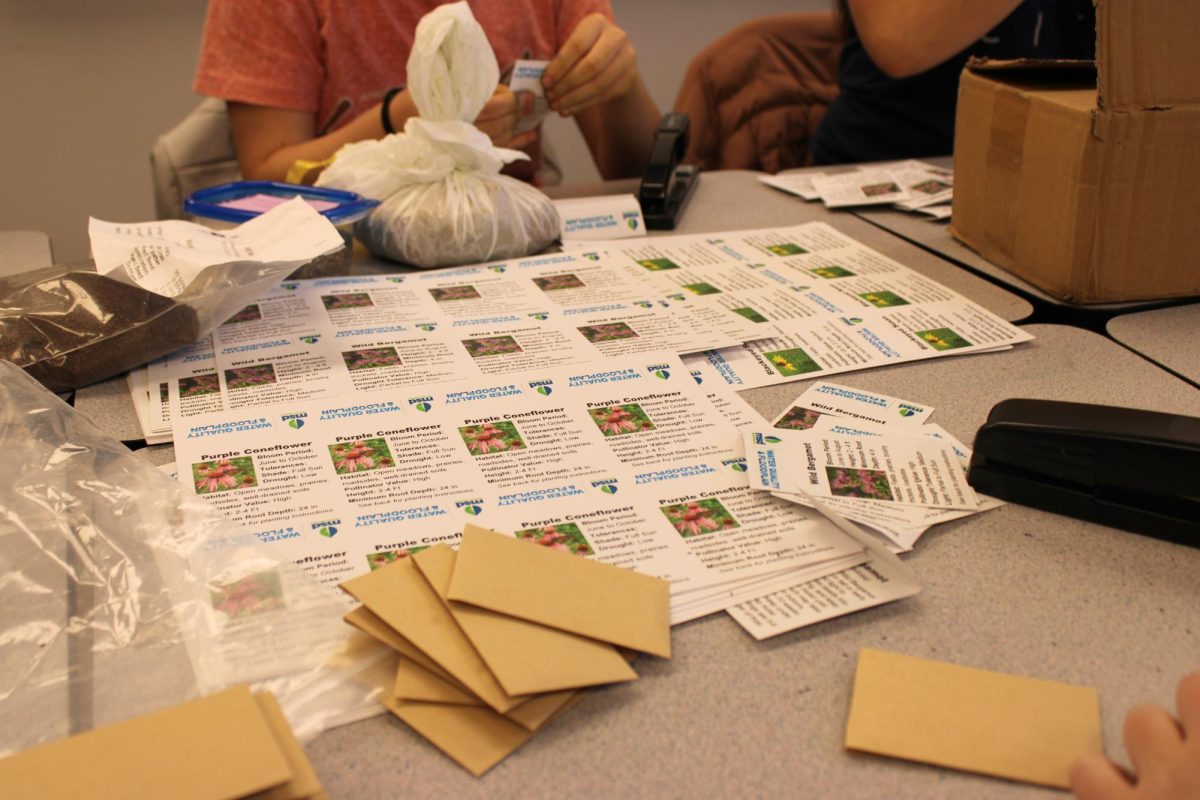
The Environmental Club is an extracurricular that specializes in environmental activism and helping to limit negative environmental impacts at Manual. They put up flyers to help educate students, planted a pollinator garden in front of the building and pick up recycling every Friday. Recycling collection is their most regular activity.
Recycling is the process of collecting materials that have trouble decomposing and then turning them into new products. There are three main steps to the recycling process. First, materials are brought together and organized into nonrecyclables and recyclables. Then, the recyclables are processed into their raw material form. Lastly, those raw materials are turned into new products and sent back out to the public.
Through recycling, materials that would sit in landfills for extended periods of time can then be reused, reducing the amount of trash within the environment. It also aids in conserving natural resources because it decreases the need for new materials to be harvested through regular means. Recycling also helps to reduce greenhouse gas emissions and pollution. Less trash enters the water, and reducing landfills helps to decrease methane in the ozone layer. Lastly recycling aids within the Manual community.
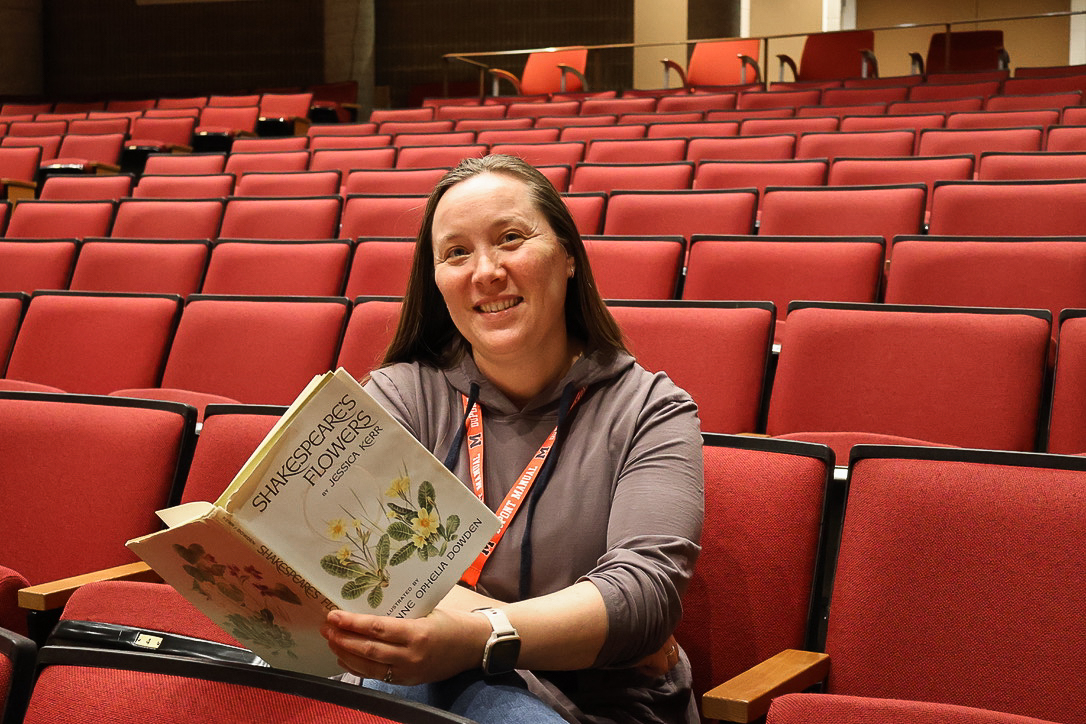
“That [recycling] actually helps our school budget by using less paper materials and also helps with fewer trees being cut down in order for those paper products to be made,” said Environmental Club Sponsor Angela Page (Science).
An issue that can arise when recycling is the inclusion of nonrecyclables in recycling bins. Nonrecyclables include plastic bags and film, styrofoam containers, materials that have been damaged by food or oils and electronics, such as batteries.
When trying to recycle nonrecyclables, there can be several problems. Nonrecyclables that leak or transmit fluids can contaminate recyclables, turning large yields of previously recyclables into garbage. This trash is then usually sent to landfills, adding to growing piles of containments. Even if basic nonrecyclables enter recycling plants, it can damage machinery, decrease the quality of recycled materials, increase production costs and risk worker safety. All of these consequences can hinder the recycling process.
“It’s really difficult to recycle whenever nonrecyclable items are present in the bins. Sometimes entire batches of recyclable materials are thrown out because of contamination from someone’s half empty drink,” said Environmental Club President Maddie Lynn (12, J&C).
An issue with recycling within Manual is students recycling tissues after using them. Used tissues have incredibly short fibers that can’t be repurposed and contain human waste that contaminates the material. This means that when filtering through recycling, time must be taken to separate tissues from the rest of the recyclables.
An effective way to help with the recycling process is to be aware of what is being thrown into the recycling bins. By policing what goes into those bins, it helps both the Environmental Club, recycling plants and the environment.
“Paper is recyclable, but tissues are not. Whenever throwing away drinks in plastic cups or cans, rinse them out and make sure they’re empty whenever possible,” Lynn said.
The Environmental Club meets every other Thursday in Room 210.