The writer I’m quickest to name as my favorite is Mark Twain. Twain watched the entire literary establishment — the ornamental prose, the circular stories, the pretentious academia — and learned just enough to demolish it before shunning it all. His were among the first novels to challenge the racist and elitist dynamite wrapped in that silky phrase “Southern charm.”
There’s a Twain quote that I return to a lot. It goes, “Whenever you find yourself on the side of the majority, it is time to reform (or pause and reflect).” I hold this so dear because it reminds me of a thing that I forget: they can’t all be gems. Even Mark Twain, the titan, the genius, is vulnerable to making a suggestion as stupid as the popularity of an idea having any bearing on its truth.
I’ll concede: his quote doesn’t really say this. It only urges people to reconsider. But someone as foreseeing as Twain should have known the harmful hands he was dealing into.
The sentence “you’re going against the grain” is pretty alluring. Rebellion is a human desire, but conformity is a human instinct, so to convince someone that they’ve transplanted impulse for valor isn’t something they will push back on, and observation shows that they won’t push back on much else that you say, either. In other words: that Twain quote is a way to drag someone into the minority without pausing and reflecting on anything.
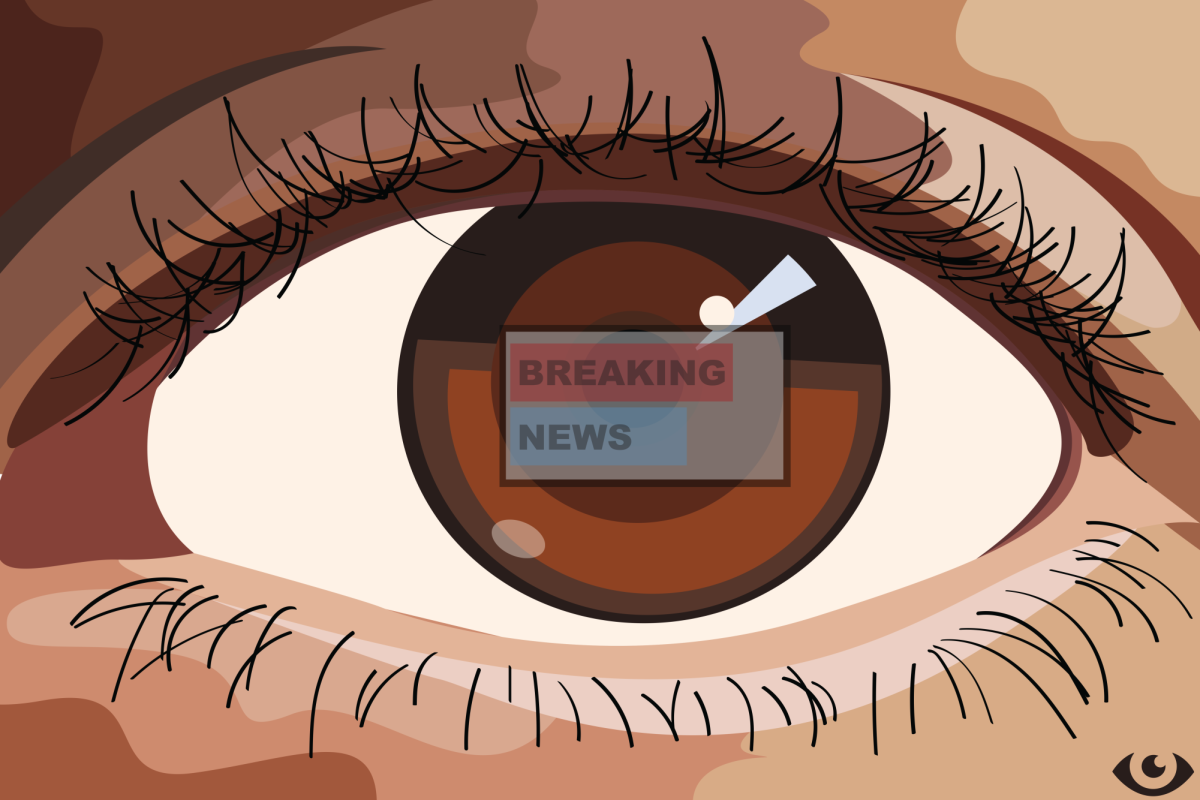
The harbinger of the “alt-right pipeline,” the social media vortex that sucks young men into hateful coalitions, is Ben Shapiro. Shapiro’s pinned tweet is a sentence he loves: “Facts don’t care about your feelings.” The general media — being dominated by left-wingers with, let’s face it, a tendency to get emotional — are powerless against this, not because they’re wrong, but because they’re “mainstream.”
Once you begin looking for this contrarian spirit, you find it everywhere — not just in Shapiro’s work, or even the work of all right-wing influencers put together, but especially in the President of the United States himself.
Donald Trump avoids direct interviews with “liberal” news organizations, yes, but he lives for their attention. The media hates me is an attitude of Trump’s that has boiled over more times than I can count. It’s part of his philosophical foundation. To “take America back,” you have to be taking it from someone. To put America first, there need to be people to blame for depreciating it.
I don’t have more formal words, and definitely none that don’t sacrifice vividness, so to explain why this phenomenon is so stubborn, I’m going to identify two PITN (pains in the neck) about it.
PITN 1: distortion. Trump and the alt-right manage to make themselves seem oppressed and resilient even when the alt-right dominates social media and the Republicans control all three federal branches.
It wasn’t always this way, to be fair. A presidential candidate like Trump running 20 years ago would have definitely been a minority favorite, and likely would have gotten annihilated. That just isn’t true anymore. Trump has made public debate nastier and euphemisms for dicey topics thrown out the window. Support for immigrants went down during his campaign, and yes, ICE raids have become wildly unpopular, but given Trump’s renegade attitude did not change at all during those fluctuations, facts are clearly not what’s binding him.
That introduces PITN 2: transferability. The New Atheists, a coalition of anti-theistic writers and speakers who were popular at the turn of the 21st century, are my favorite demonstration. In their heyday, they attacked religious hate groups and governments that danced around teaching evolution. Now, with huge capital and a public on their side, they don’t know what to do with themselves and, in one prominent case, have become hateful and misinformed, just like the people they used to criticize.
Politically, that goes like this: Trump may have the public’s support on some things, but the media still don’t favor him, so the oppression card still, as it were, trumps. The alt-right may have conquered the digital ecosystem and made disgusting “skeptics” like Joe Rogan the most popular creators in the world, but as long as someone can download and share the videos of Charlie Kirk being screamed at in a university, then they can “just ask questions” to a made-up rabid mob until the sun dies and get quite a salary off the back of it.
That last reference — “just asking questions” — annoys me more than anything else about this. That phrase bore climate skepticism, vaccine hesitancy, the scalping notion that we should just throw up our hands because you can’t trust anything these days and so much more.
This pop contrarianism has come to every platform we use to communicate with each other. Even journalists like me occasionally can’t resist a controversy-stirring story. But asking questions and ignoring answers are quite different; one of them is to be leaned into, the other to be communally and absolutely set on fire.
Truth is truth, whether the emperor or the farmer is telling it. You should consider your position if you’re in the majority, but you’re under no less of an obligation to do so if you’re in the minority. Only after we’ve begun trusting (and funding) our institutions of truth can we unravel hate and policies that stand on lies.