Every day, millions of students buy things without thinking twice. This might be a drink before class, a shirt that’s trending or a quick meal between activities. These small decisions feel harmless. However, behind these decisions lies a global system built on exploitation, suffering and silence.
Boycotting is not just a political gesture, it’s common sense. Boycotting is for removing support from what is wrong. Boycotting is the decision to stop funding harm, even when it is convenient to ignore.
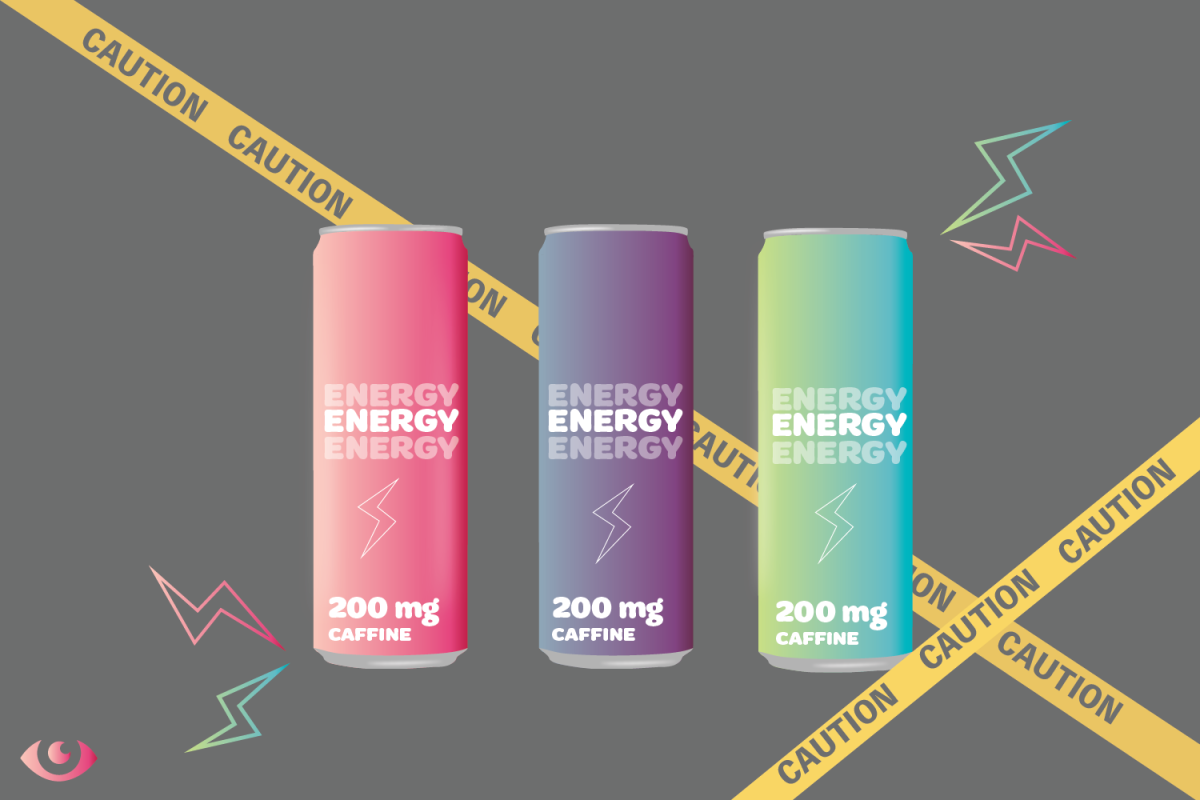
Every time an individual spends money, they make a choice about what kind of world they are supporting. The cheap clothes individuals buy often come from factories that rely on child labor and unsafe working conditions. The coffee or energy drink an individual grabs without a thought may come from supply chains where workers earn almost nothing.
Child labor and unsafe working conditions are happening worldwide. These are not distant problems. They are happening right now, often to people our age, in countries where corporations know they can get away with paying unfair wages. It is easy to believe one person’s actions do not matter, but this is exactly what big corporations want others to believe. Students today have more access to information than any generation before. Generation Z (Gen Z) knows what is happening. We see the reports, the videos, the stories and we have a responsibility to act.
“I feel you don’t really have to research very much in order to know that Shein is only so cheap because the point of Shein is that it is fast fashion, that is constantly following trends and that you might get these trends cheap, and I think it takes only one TikTok or a simple news article to know what is happening,” Viet Pham (12, HSU) said.
Boycotting can be difficult. Boycotting means giving up certain products, finding alternatives and resisting the pressure to follow trends. However, the real inconvenience belongs to the people who suffer so that privileged people can live comfortably.
“When I’m spending money, I try to be very conscious of cost, the next biggest factor is also the environment and the sustainable impact of the decisions I make [also being] like child labor or people not getting paid enough, ” Pham said.
Doing nothing might feel easier, but it’s not neutral. It is a decision that allows injustice to continue unchecked.
Students hold enormous power. The younger generations drive trends, culture and demand. When consumers refuse to buy, corporations noticed. When individuals hold them accountable, corporations are forced to change. Boycotting teaches more than economics, it teaches empathy by forcing consumers to look beyond its convenience and consider the experiences of others. Boycotting is an act of solidarity that says the lives of exploited workers matter more than our convenience.
“We have to participate in these organized actions of protest and the actions that we can do because we don’t have other options, we have to make our voices heard through alternative methods,” Maggie Stone (11, J&C) said.
It’s time to start questioning what Gen Z’s comfort is built on. If our favorite drink, our clothes or our entertainment are made possible through taking advantage of others, then they come with a price far higher than what we pay at the register.
“If enough people participate and it is an organized effort which is becoming easier considering social media and that kind of communication we have can genuinely have an impact,” Stone said.
The truth is simple, no discount, no trend and no luxury is worth a human life.
Boycotting is not about being perfect, it is about being conscious. Right now, brands like Shein, Starbucks and Amazon are being criticized for their labor practices and treatment of workers. Students can make a difference by learning where their money goes, supporting ethical companies, thrifting instead of buying fast fashion and speaking up when something feels wrong.
At Manual, all of us are part of Gen Z, a generation known for its activism and awareness. We have more influence than we realize. If more students begin to see boycotting not as an inconvenience but as a form of compassion, then maybe people can start to build a world where doing what’s right is no longer the harder choice. Then, companies will listen.
So, before you buy that $8 drink or that cheap shirt online, pause and ask yourself who’s paying the real price. Real change starts when we decide that human lives are worth more than our convenience, and it starts with us.